The cost of advertising didn’t rise overnight, but many marketers felt the shift all at once. Budgets grew, dashboards filled with automation, and yet results felt harder to sustain. Platforms promised efficiency through AI, but competition intensified at the same time. What changed wasn’t only pricing—it was how attention is filtered, valued, and sold. In 2026, understanding ad costs means understanding how platforms now decide who gets seen.
Why are ads getting more expensive even when performance feels worse?
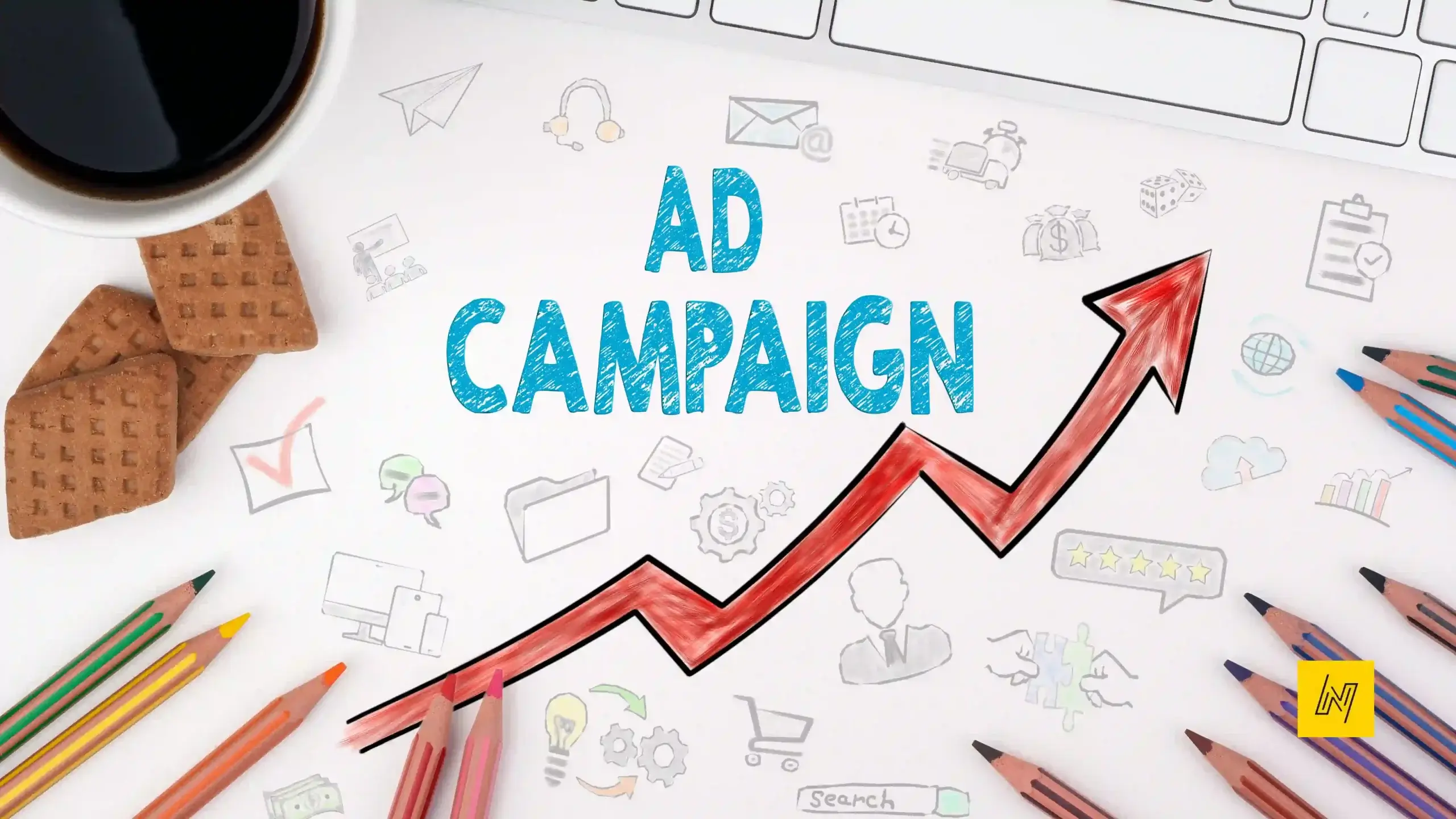
Ad costs rise when more advertisers compete for the same finite attention. In 2026, that competition is amplified by automation, which makes it easier for more brands to enter auctions at scale. As bidding becomes more efficient, inefficiencies disappear and prices normalize upward. Performance can feel worse because the “easy wins” that once hid weak messaging no longer exist.
Another factor is signal compression. When many advertisers rely on similar targeting, formats, and creatives, platforms struggle to distinguish value quickly. AI systems respond by charging more to test and validate relevance. The result is higher CPMs and longer learning phases before performance stabilizes.
How did the Andromeda Update change ad costs and organic visibility at the same time?
The Andromeda system marked a shift toward AI-led retrieval and ranking inside ad ecosystems. Instead of relying heavily on narrow targeting inputs, platforms increasingly assess creative meaning, context, and predicted engagement. This raises the bar for relevance while reducing the advantage of tactical tweaks. Costs rise because ads must now earn attention, not just buy access to it.
This shift also tightens the relationship between paid and organic signals. Content that performs well organically often informs how AI systems predict paid engagement. When brands neglect clarity and coherence across channels, ads work harder to compensate. Andromeda is less an update and more a signal that relevance has become the currency.
Why are Meta Ads and TikTok Ads competing harder for the same attention?
Both Meta and TikTok now operate as attention allocation engines, not simple media placements. Users scroll faster, consume more content, and decide in seconds what to ignore. That means more ads fight for fewer moments of genuine focus. Even when inventory grows, meaningful attention does not.
Creative saturation compounds the problem. Similar hooks, formats, and AI-assisted visuals flood feeds, shortening novelty cycles. Ads that once ran for months now fatigue in weeks. As platforms compete for user time, they reward distinctiveness and penalize sameness through cost pressure.
How is AI changing bidding, targeting, and creative across Google Ads, Meta Ads, and TikTok Ads?
AI has become the default layer across Google, Meta, and TikTok advertising. Automated bidding optimizes toward outcomes, but it also reduces manual control over cost fluctuations. Targeting has broadened, relying more on behavioral inference than explicit audience rules. This increases reach while raising the importance of clear intent signals.
Creative is where AI’s impact is most visible. Generation tools speed production, but they also flatten differentiation when everyone uses them similarly. Platforms test more variations faster, which increases auction pressure during learning phases. Winning in this environment requires fewer, stronger ideas—not more assets.
What Rising Ad Costs Reveal About How Brands Must Rethink Attention in 2026 at Nytelock Digital
Rising costs reveal that attention is now filtered before it is sold. Brands must align message, creative, and intent long before the bid enters an auction. Ads work best when they echo a clear brand signal already recognized by algorithms and people. This means investing in coherence across content, not just optimization inside platforms. In 2026, the brands that win are those that earn relevance consistently, not those that chase cheaper clicks.