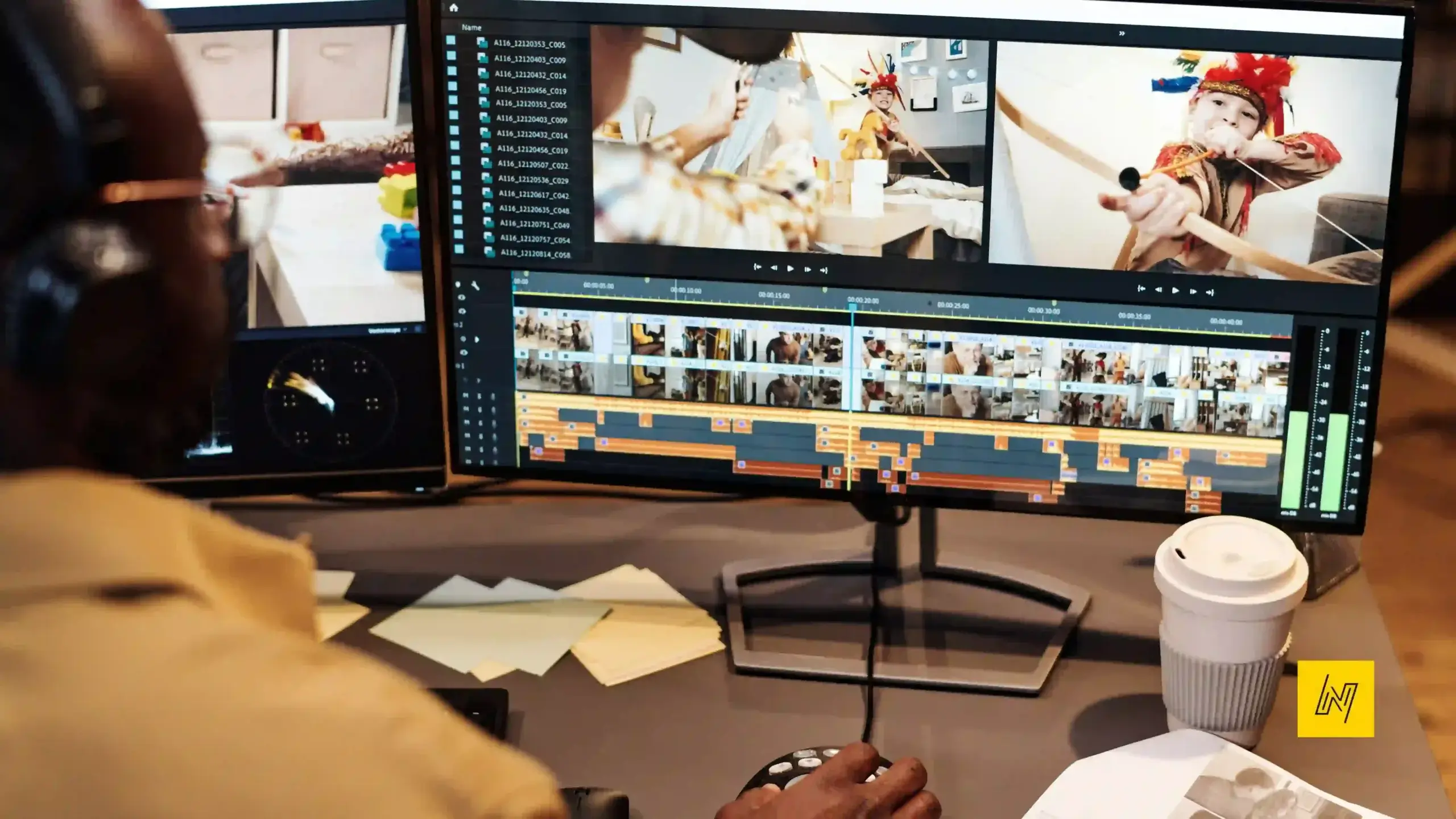
Video storytelling has always been shaped by the tools available at the time. From handheld cameras to digital editing suites, each shift changed not just how content was made, but how it was trusted.
Artificial intelligence now adds a new layer, one that can generate scenes, characters, and motion without a physical camera present. Yet audiences still gravitate toward what feels grounded and human. By 2026, hybrid videos where real footage and AI-generated elements coexist deliberately will become the dominant way stories are told.
What are hybrid videos, and why are they becoming mainstream in 2026?
Hybrid videos combine real-world footage with AI-generated visuals in a single, cohesive narrative. Instead of relying entirely on synthetic scenes or purely filmed material, creators choose the strongest medium for each moment. Real footage carries emotional weight and credibility, while AI visuals expand scale, speed, and creative flexibility.
The rise of hybrid videos is also practical. AI video tools are now reliable enough for production use, but still imperfect when used alone. By anchoring AI output to real footage, creators reduce the risk of uncanny visuals and audience distrust. Hybrid video content becomes a way to innovate responsibly while maintaining clarity and authenticity.
How do real footage and AI-generated visuals work together in hybrid video content?
In practice, hybrid workflows begin with real footage as the foundation. Interviews, environments, product shots, and human interactions are captured traditionally to establish realism. AI-generated visuals are then layered in to support the narrative and extend backgrounds, visualizing abstract concepts, or recreating scenarios that are impractical to film. The key is that AI augments the story rather than replacing it.
Tools like Sora AI and Runway are often used at this stage for scene generation and motion synthesis. Short AI-generated clips can be inserted between real shots, used as cutaways, or composited behind filmed subjects. This keeps the viewer oriented in reality while still benefiting from AI’s creative range. Thoughtful pacing and restraint make the blend feel intentional rather than artificial.
Why are brands and creators in Singapore adopting hybrid video formats faster?
Singapore’s creative and marketing landscape prioritizes efficiency, clarity, and technological fluency. Hybrid video content allows teams to produce high-quality visuals without extended production timelines. AI tools reduce the need for repeated reshoots, overseas filming, or complex set builds.
Local creators are also responding to audience expectations. Viewers increasingly recognize fully AI-generated content and often question its credibility. Hybrid formats signal care and discernment, showing that technology is being used thoughtfully.
What challenges come with hybrid video content, and how can they be managed?
One major challenge is visual and character consistency. AI-generated characters can shift in appearance or tone if prompts and settings are not controlled carefully. Tools like Nano Banana Pro help address this by allowing creators to lock facial features, clothing, proportions, and style references. Maintaining a character sheet similar to traditional animation helps keep AI characters visually stable across scenes.
Voice consistency is another critical factor. When using AI-generated voices, creators should select a single voice model and keep pitch, cadence, and emotional range fixed across all outputs. Recording short reference clips and reusing identical voice settings prevents noticeable drift. Consistency builds trust, especially when AI characters appear repeatedly throughout a video or across a campaign.
How to build a practical hybrid video workflow in 2026
A workable hybrid workflow starts with clear role separation. Real footage handles moments requiring trust, emotion, or physical presence. AI is reserved for visualization, explanation, and creative extension. Storyboards should label which shots are filmed and which are AI-generated before production begins.
When generating AI scenes, creators should limit variables. Use the same prompts, seed values, lighting descriptions, and camera language for related shots. For AI characters, define personality traits, posture, facial expressions, and emotional tone in writing before generation begins.
What Hybrid Video Content Means for the Future of How We Communicate at Nytelock Singapore
Hybrid video content reflects a broader shift toward intentional innovation. It recognizes that technology is most powerful when guided by human judgment. For Nytelock, this mirrors how modern solutions are built—thoughtfully, securely, and with people at the center. As AI tools continue to evolve, clarity and restraint will matter more than spectacle. The future of video belongs to creators who know when to use AI, and when to let reality speak for itself.